


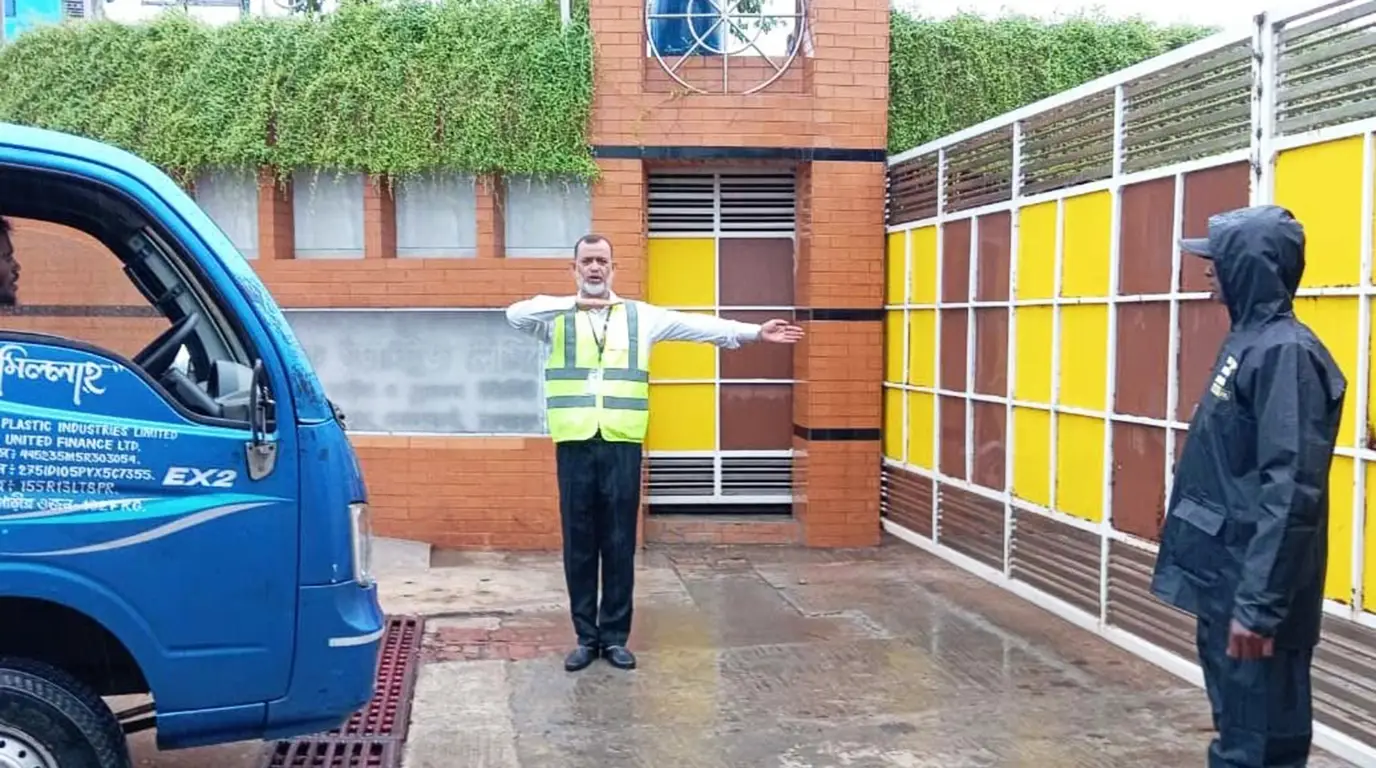
Factories and manufacturing plants handle valuable materials, operate heavy equipment, and manage the movement of employees, contractors, and delivery vehicles. Without effective security procedures, weaknesses in these areas can put people at risk, expose valuable assets to theft, and disrupt daily operations.
Understanding the common security risks in industrial facilities helps factory owners and managers identify vulnerabilities and take preventive action before incidents occur. Here are seven common risks and practical ways to reduce them.
1. Unauthorized Access to Restricted Areas
Production floors, electrical rooms, and other restricted areas should only be accessible to authorized personnel. Uncontrolled entry can put employees at risk, damage equipment, or expose sensitive information.
How to prevent it:
- Role-Based Access: Set access permissions according to employees’ responsibilities. Update them when someone changes roles or leaves the organization.
- Identity Verification: Check visitor identification and maintain clear entry records. Issue temporary passes when appropriate.
- Escort Policies: Require visitors and contractors to remain accompanied while inside restricted areas.
2. Theft of Raw Materials, Products, and Equipment
Raw materials, finished goods, spare parts, and tools can become targets for theft when inventory controls are weak. Missing items increase costs and may delay production, particularly when essential materials or equipment are difficult to replace.
How to prevent it:
- Inventory Tracking: Keep stock records accurate and compare them with physical inventory regularly. Investigate unexplained differences promptly.
- Controlled Material Movement: Require approved documents before goods leave the facility. Make sure security personnel can verify outgoing materials against authorized records.
- High-Value Asset Protection: Secure valuable items in designated storage areas and limit access to responsible personnel.
3. Weak Perimeter Security and Unmonitored Entry Points
Damaged boundary walls, poorly secured gates, and unattended secondary entrances can make unauthorized entry easier. Poor lighting may also leave vulnerable sections of a large industrial property difficult to monitor, especially after working hours.
How to prevent it:
- Regular Inspections: Check boundary walls, fences, gates, locks, and lighting. Repair damage and secure unused entrances promptly.
- Planned Patrols: Establish patrol routes that cover vulnerable sections of the property. Supervisors should verify that patrols are completed as scheduled.
- Targeted Surveillance: Position CCTV cameras at critical entry points and other exposed areas. Review coverage periodically to identify blind spots.
4. Poor Control of Vehicles, Deliveries, and Material Movement
Factories often receive suppliers, contractors, transport vehicles, and delivery personnel throughout the day. Without consistent entry and exit procedures, unauthorized vehicles may enter, deliveries may go unchecked, or goods may leave without approval. These gaps can also create confusion when investigating missing materials.
How to prevent it:
- Vehicle Registration: Record vehicle numbers, driver details, and entry or exit times as appropriate.
- Delivery Verification: Match incoming goods with purchase orders or delivery documents before confirming receipt. Coordinate checks with the warehouse team.
- Gate Pass Control: Require authorized documentation for outgoing materials and equipment. Record the movement so management can trace discrepancies later.
5. Inadequate Security Guard Supervision and Procedures
Security guards need clear instructions to perform their duties consistently. When post responsibilities are unclear or supervisors fail to check compliance, patrols may be missed, visitor records may be incomplete, and incidents may go unreported. These weaknesses can undermine otherwise sound security arrangements.
How to prevent it:
- Clear Post Orders: Provide written instructions covering gate duties, patrols, visitor handling, shift handovers, and incident escalation.
- Active Supervision: Have supervisors inspect security posts, review duty records, and address procedural gaps.
- Practical Training: Brief guards on the facility’s specific risks and emergency procedures. Refresher training can help them respond appropriately when situations change.
6. Poor CCTV Monitoring and Delayed Incident Reporting

CCTV cameras are useful only when they provide adequate coverage and the footage can be reviewed when needed. Malfunctioning cameras, blind spots, and unattended monitoring systems can allow incidents to go unnoticed. Delayed reporting may also make investigations more difficult.
How to prevent it:
- Routine System Checks: Test cameras, recording equipment, and supporting systems regularly. Repair faults promptly.
- Risk-Based Camera Placement: Prioritize gates, loading areas, valuable storage locations, and other critical points identified during a security assessment.
- Clear Reporting Procedures: Require security personnel to record what happened, where and when it occurred, and who was notified. Define escalation procedures for incidents that require immediate management attention.
7. Inadequate Emergency Preparedness and Response
An industrial emergency can develop from a security breach, workplace dispute, fire, or other unexpected event. If employees and security personnel do not know whom to contact or where to go, confusion can delay assistance and increase the risk of injury or damage.
How to prevent it:
- Documented Procedures: Establish clear arrangements for raising alarms, notifying management, and contacting emergency services.
- Evacuation Planning: Identify evacuation routes and assembly points. Keep access routes clear and communicate instructions to employees and visitors.
- Drills and Coordination: Conduct appropriate emergency drills with facility management and qualified safety professionals. Security guards should know how to raise alarms, guide people when safe, and support emergency responders without taking on duties beyond their training.
Why Industrial Security Requires a Planned Approach
Effective industrial security involves more than placing guards at the entrance. Each facility has different vulnerabilities depending on its layout, operating hours, workforce, inventory, and production processes.
A site-specific security survey and risk assessment helps management identify weaknesses and prioritize improvements. Clear procedures, trained personnel, active supervision, reliable communication, and properly maintained technology must work together. Regular reviews are also important because changes in staffing, deliveries, or facility layout can introduce new risks.
Conclusion: Strengthen Your Industrial Security
Addressing security risks in industrial facilities starts with identifying vulnerabilities and applying practical measures consistently. Better access control, inventory tracking, perimeter protection, guard supervision, and emergency planning can help protect people, assets, and business operations.

Euro Vigil (Pvt.) Ltd. provides industrial security services in Bangladesh, including manned guarding, access control, perimeter security, entry and exit monitoring, and security risk assessment.
If you want to review your facility’s existing security arrangements or identify areas for improvement, explore our Industrial Security Services or contact our Security Experts team to discuss your requirements.